Fast local response
Same-day callback for Clayton homeowners, managers, and HOA boards. Our licensed contractor crew schedules on-site assessments within 24–48 hours across Old Town, Oakhurst, Dana Hills, and the neighborhoods along the open space.
Commercial Balcony & Deck Specialists · CSLB #1060736
In Oakhurst, many back decks face a golf course, and every season a few of them take a direct hit. A golf ball can crack a glass railing panel, dent a soft deck board, or snap a thin baluster, and the deck owner usually finds the damage only when the next round of balls lands. Choosing railing and infill that can take an impact is the practical answer. Licensed California construction contractor serving Old Town and Main Street, Oakhurst, Dana Hills, Dana Ridge, Clayton Wood, Cardinet Glen, and the Keller Ridge Drive, Eagle Peak Avenue, Mitchell Canyon Road, and Marsh Creek Road areas with SB 721 inspections, structural repair, railing replacement, and waterproofing services.
02 / Local Presence
03 / Why D&B for Clayton
Same-day callback for Clayton homeowners, managers, and HOA boards. Our licensed contractor crew schedules on-site assessments within 24–48 hours across Old Town, Oakhurst, Dana Hills, and the neighborhoods along the open space.
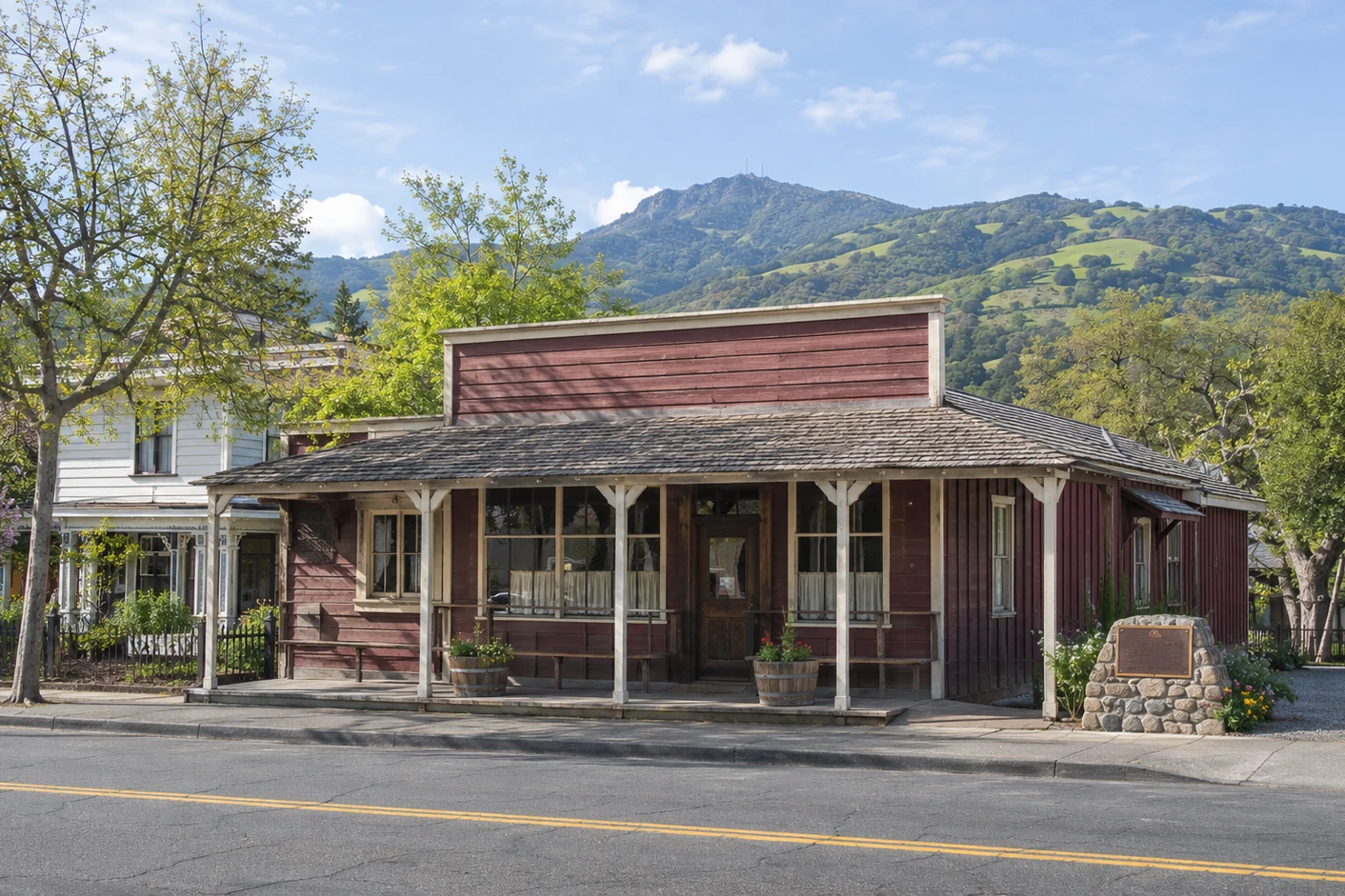
Our construction company has inspected, repaired, and restored decks, porches, and balconies across Clayton — older buildings in Old Town, 1990s homes in Oakhurst along the golf course, and hillside houses backing onto open space.
SB 721 and SB 326 inspection reports filed when required. Our certified firm replaces impact-damaged railings with infill that can take a golf ball, and keeps work on decks along the open-space edge within the owner's own lot.
04 / Free Assessment
Tell us about your property — whether the deck faces the golf course or backs onto open space, what the railing is made of, and when the deck was built — and we'll send same-week scheduling, transparent pricing, and handle permits and SB 721 / SB 326 compliance filing end-to-end.
Or call us now: (916) 848-2728
05 / Process
Same business day
Submit the form or call us. We answer questions, ask what lies beyond the back fence, golf course, open space, or neighbors, and schedule a free on-site assessment with a licensed contractor.
Within 24–48 hours
A licensed contractor walks the property, photographs every deck, balcony, stair, and EEE element, looks for chips, cracks, dents, and broken balusters from ball strikes, notes where the lot meets open space, and identifies SB 721 / SB 326 issues, water-damaged framing, or railing concerns. ~60 minutes.
Within 2–3 business days
Itemized scope, transparent pricing, repair-vs-replacement options. For golf-course decks, the report compares infill options by how well they take impacts. If you plan to claim impact damage, the photo record is yours to share with your insurer. For SB 721 / SB 326 jobs we file the inspection report with the appropriate agency.
Most jobs start 2–3 weeks
Building permits pulled through Contra Costa County Building Inspection, which handles them for Clayton under contract, with City of Clayton planning review where it applies; work executed by our in-house CSLB-licensed construction crew. Final walkthrough, photo documentation, warranty paperwork.
06 / Services
Clayton sits at the foot of the mountain, with hot dry summers, about 20 inches of rain a year, and neighborhoods that end at a golf course or at open space and trails. Those edges shape what happens to the decks that face them. Here's where our construction company leads.
Mandatory exterior elevated element inspection services for 3+ unit multifamily buildings, HOA-managed condominiums, and townhome communities.
Replacing cracked glass panels and broken balusters on golf-course decks with laminated glass, metal, or other infill that takes impacts better, plus custom code-compliant railing reinforcement.
Repair and rebuild of decks and stairs at the back of lots that border trails and open space, kept within the property line, with waterproofing and finishes suited to hot sun.
Load-bearing capacity, framing condition review, ledger and connection integrity, railing and post damage from impacts, and the condition of 1990s builder decks, by certified, insured contractors.
07 / Investment Ranges
Final estimate after on-site visit. Ranges below reflect 90% of recent Clayton work. Replacing one damaged glass panel or baluster is a small repair; changing a whole golf-facing railing to tougher infill falls in the repair range for most decks, and the estimate shows both.
Required compliance
$400–$800per building
On-site visual + structural review, written report filed with Code Enforcement.
Most common
$2,500–$8,000per balcony
Joist replacement, ledger fix, railing and infill replacement, board replacement. Waterproofing recoat $3K–$12K.
Highest value
$15,000–$45,000per balcony
Complete tear-down, new framing, waterproofing, code-compliant custom railings with impact-resistant infill where needed. Volume pricing for 5+ buildings.
We never quote a final price without an on-site visit. Free assessment takes ~60 minutes — no commitment, no pressure.
09 / Client Voices
Our deck looks over a fairway and we had replaced the same glass panel twice. Their licensed contractor team suggested laminated panels on the side facing the course, which hold together when they are hit, and replaced the cracked ones. We have taken two more balls since and nothing has needed replacing.
Our back fence opens onto the open space and we wanted the deck extended. Their certified construction company checked where our lot actually ends, kept the new section on our side, and staged everything from our yard. No problems with the neighbors or the City.
Our townhome association needed SB 326 inspections. Their insured team did every building in one visit, filed the reports, and gave the board a clear list of what came first. Easy to work with.
10 / Local Context
Clayton lies at the foot of the mountain at about 400 feet, with hot, dry summers and mild winters. July’s mean daily high is around 91°F, and about 20 inches of rain falls in an average year, almost all of it in winter. Snow is rare enough that a dusting in December 2009 was the first in decades. For decks, the long dry heat does most of the damage: finishes fail and exposed boards check on south- and west-facing decks, and winter rain then soaks into those checks.
Oakhurst was built in the 1990s on the former Keller Ranch, around an 18-hole golf course, and many of its homes have back decks that look over the fairways. That view comes with stray golf balls. A ball can crack or shatter a glass railing panel, dent softwood or composite decking, break a thin baluster, or chip a post cap. Damage is often discovered late, because a single cracked panel or broken baluster on a deck the owner rarely walks to the edge of is easy to miss. The practical answer is infill and materials that take impacts: laminated glass, which holds together when it cracks, metal balusters or panels, or tighter-spaced, sturdier wood. We check golf-facing decks for impact damage and suggest the infill that suits the house and the view. Who pays for damage from a stray ball is a question for your insurer or counsel, not for us, but we provide a photo record you can share with them.
Many Clayton neighborhoods back onto trails and open space. The City’s Landscape & Maintenance District, funded through property tax assessments, pays for maintenance of trails, open space, roadside landscaping, and community gateway entrances. For a homeowner whose back fence opens onto that land, the practical point is simple: the land beyond the fence is not part of the lot. When a deck at the back of the yard is repaired or extended, footings, framing, and staging stay on the owner’s side of the property line, and we confirm where that line is before planning. Decks on this edge also tend to face open grassland and full afternoon sun, so finishes there need renewing more often than on decks in shaded yards.
Clayton was founded in 1857 and incorporated in 1964. Old Town along Main Street keeps wood-frame buildings and houses with covered porches whose posts, steps, and railings predate current standards. Much of the city’s housing came much later, with Oakhurst and other subdivisions built from the 1990s on. Builder decks from that period are now around thirty years old, the age at which original ledger flashing, joist hangers, and fasteners commonly need attention. We probe those connections rather than judging by the deck surface, which is often the newest part.
Clayton has about 11,000 residents and roughly 4,200 homes, about nine in ten owner-occupied. Single-family houses make up much of the stock, from Old Town’s older homes to the subdivisions in Oakhurst, Dana Hills, Dana Ridge, Clayton Wood, and Cardinet Glen. Townhome and condominium associations, where present, fall under SB 326, and rental buildings of three or more units fall under SB 721. Our certified construction crew scopes every project to what the deck faces, its age, and the code in effect at installation.
Our certified Clayton crew covers Old Town and Main Street, Oakhurst, Dana Hills, Dana Ridge, Clayton Wood, Cardinet Glen, the Keller Ridge Drive area, the Eagle Peak Avenue area, the Mitchell Canyon Road area, the Marsh Creek Road area, and the wider Clayton community. ZIP code 94517 covers the city.
Across our Clayton inspections, our company most often documents: (1) cracked glass panels, dented boards, and broken balusters on decks facing the golf course — a Clayton pattern given how many Oakhurst decks overlook the fairways; (2) 1990s ledger flashing and connectors at the end of their service life; (3) sun-checked boards and failed finishes on south- and west-facing decks; (4) deck extensions planned toward the back fence without confirming the property line; (5) older Old Town porches with posts and steps below current standards; (6) railings on pre-2000 stock that fall short of the current CRC 42-inch height and 4-inch sphere rule. Every finding is captured in a written assessment with prioritized repair, replacement, or restoration scope.
For Clayton properties with acute safety issues — sagging framing, loose railings, a shattered glass panel leaving an open edge, visible rot at load-bearing connections, red-tagged structures, or storm damage — our emergency repair crew responds within 24–48 hours with temporary barriers, shoring, and code-compliant stabilization. We also handle full deck remodeling, with impact-resistant railings on golf-facing decks.
11 / More Service Areas
Every city links to a dedicated local page — crews, recent projects and compliance details for that area.
Don’t see your city? We likely still cover it — call (916) 848-2728.
12 / Common Questions
For a small Clayton multi-family building or townhome association building (3–8 units), our SB 721 or SB 326 inspection service runs $400–$800 per building. For single-family homes we offer voluntary structural assessments, which are worth having on any 1990s deck and on decks facing the golf course. Free initial site visits are included.
Infill that takes impacts better. Laminated glass holds together when it cracks rather than shattering, metal balusters or panels shrug off most hits, and sturdier, tighter-spaced wood balusters break less often than thin ones. We can change just the golf-facing side of the deck. Who is responsible for damage from a stray ball is a question for your insurer or counsel; we provide photos of the damage you can share with them.
Only within your own lot. The open space and trails behind many Clayton homes are maintained through the City's Landscape & Maintenance District and are not part of the private lot. Before planning an extension, we confirm where the property line is, keep footings, framing, and staging on your side, and check with the City for any setback or planning requirement.
Clayton is an incorporated city, but building permits and inspections are handled under contract by Contra Costa County Building Inspection, while planning matters stay with the City of Clayton. For most deck repairs, the building permit is the main step; extensions or new decks may also need City planning review. We coordinate both.
HOA-managed condominiums and townhome associations fall under SB 326 (re-inspection every 9 years). Non-HOA multi-family rental buildings of 3+ units fall under SB 721 (every 6 years). Neither applies to a detached single-family house, though a voluntary assessment is still worthwhile. Our certified inspection firm files the appropriate report with the agency that applies.
13 / Free Property Inspection
No commitment. Same-day callback. Licensed, insured, and bonded. Our certified construction company handles County building permits, City planning review, and SB 721 / SB 326 reports on your behalf, fits golf-facing decks with railings that can take a hit, and keeps open-space-edge work within your lot.