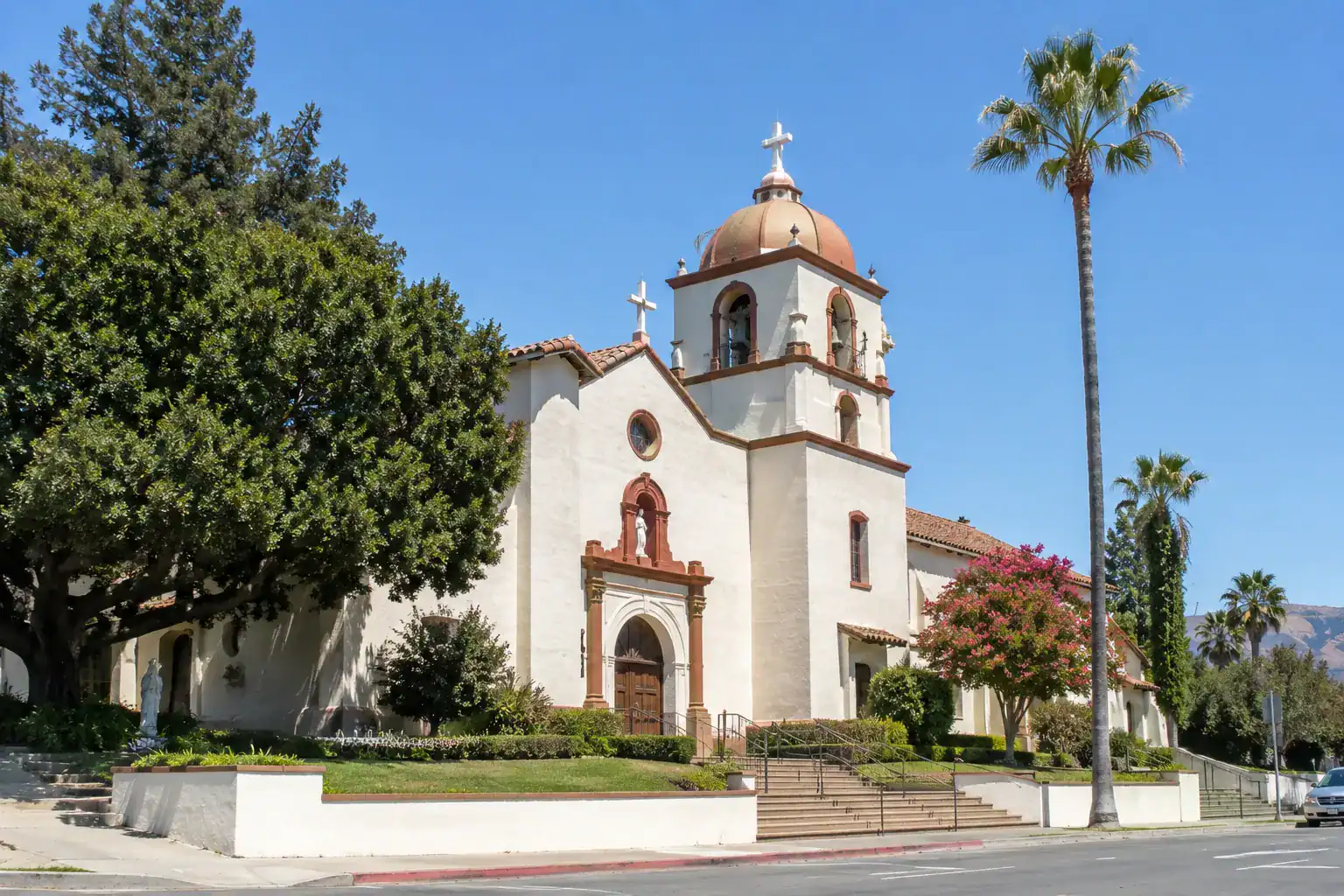
Climate considerations in Morgan Hill
Morgan Hill sits in a transitional climate zone between coastal influence and the warmer inland valley. Summers are hot and dry, winters are cool and wet, and morning fog drifts through the area on most days year-round. The daily wet-dry cycle — overnight moisture from fog followed by afternoon heat — is particularly destructive to unprotected wood, driving surface checking, cracking in deck boards, and accelerated dry rot in structural members. Properties on the west side of Morgan Hill near El Toro Mountain experience heavier fog and typically show more weathering damage than those on the eastern side of town. Scheduled inspection and disciplined waterproofing maintenance are essential to building longevity.
Rural ranchettes & unpermitted-deck risk
Morgan Hill’s larger rural properties and ranchettes often feature expansive decks that were owner-built years ago without permits. Deck building code requirements apply regardless of property size or zoning, and unpermitted decks can create serious liability issues — they may not meet structural code, fastener and connection standards, or railing geometry, and they typically lack the engineered hardware that current code requires. If you own a Morgan Hill property with an older deck of unknown origin, a professional structural assessment is the right first step. Our certified firm evaluates the deck, documents what brings it short of current standards, and lays out a clear path to legalization through the City of Morgan Hill.
Growing residential development
Morgan Hill has expanded steadily over the past two decades along the Monterey Road and Cochrane Road corridors and into the developments east of Highway 101. The result is a building stock that includes mid-century homes near downtown, established 1970s–1980s apartment complexes along Monterey Road, 1990s–2000s townhome and HOA condominium developments in areas like Madrone Village, and post-2000 master-planned communities along the Cochrane Road corridor. Each era brings different repair priorities — older stock needs full railing replacement and ledger restoration, mid-era stock falls into SB 326 territory, and newer construction is approaching first-cycle waterproofing maintenance.
Common building stock we work on
Morgan Hill’s residential stock breaks roughly into three categories. Rural single-family properties on larger lots in the western foothill and vineyard areas often have custom or owner-built decks needing full structural assessment. Multi-family rental complexes along Monterey Road, Tennant Avenue, and the older downtown area date to the 1970s–1980s and need full railing replacement, ledger restoration, post-base rebuild, and refinishing. HOA-managed townhome and condominium communities along the Cochrane Road corridor and in Madrone Village fall under SB 326 scrutiny — many are at first-cycle waterproofing renewal stage. Our certified construction crew scopes every project to the era, original materials, and code in effect at installation.
Neighborhoods served
Our certified Morgan Hill crew covers Downtown Morgan Hill, the Monterey Road corridor, the Cochrane Road corridor, Madrone Village, Tennant Avenue, West Morgan Hill (the foggier west-side neighborhoods near the foothills), East Morgan Hill (developments east of Highway 101), Holiday Lake area, and the wider Morgan Hill community. ZIP codes include 95037 and 95038.
What we typically see
Across our Morgan Hill inspections, our company most often documents: (1) concealed dry rot from the daily fog-and-heat wet-dry cycle, especially on west-side properties — a Morgan Hill-specific concern from the local microclimate; (2) unpermitted legacy decks on rural properties with undersized framing, missing engineered hardware, and railings short of current CRC geometry; (3) dry rot at ledger and joist connections on 1970s–1980s apartment stock; (4) waterproofing membrane fatigue on south- and west-facing balconies from cumulative UV and wet-dry cycling; (5) railings on pre-2000 buildings that fall short of the current CRC 42-inch height and 4-inch sphere rule; (6) first-cycle waterproofing wear on newer Cochrane Road corridor and Madrone Village developments. Every finding is captured in a written assessment with prioritized repair, replacement, or restoration recommendations.
Emergency response & remodeling
For Morgan Hill properties with acute safety issues — sagging framing, loose railings, visible rot at load-bearing connections, red-tagged decks, or storm-driven damage — our emergency repair crew offers expedited scheduling within 5–7 business days. We also handle full deck remodeling for property owners modernizing the look and function of older outdoor spaces while bringing the structure up to current safety code.