Climate considerations in Novato
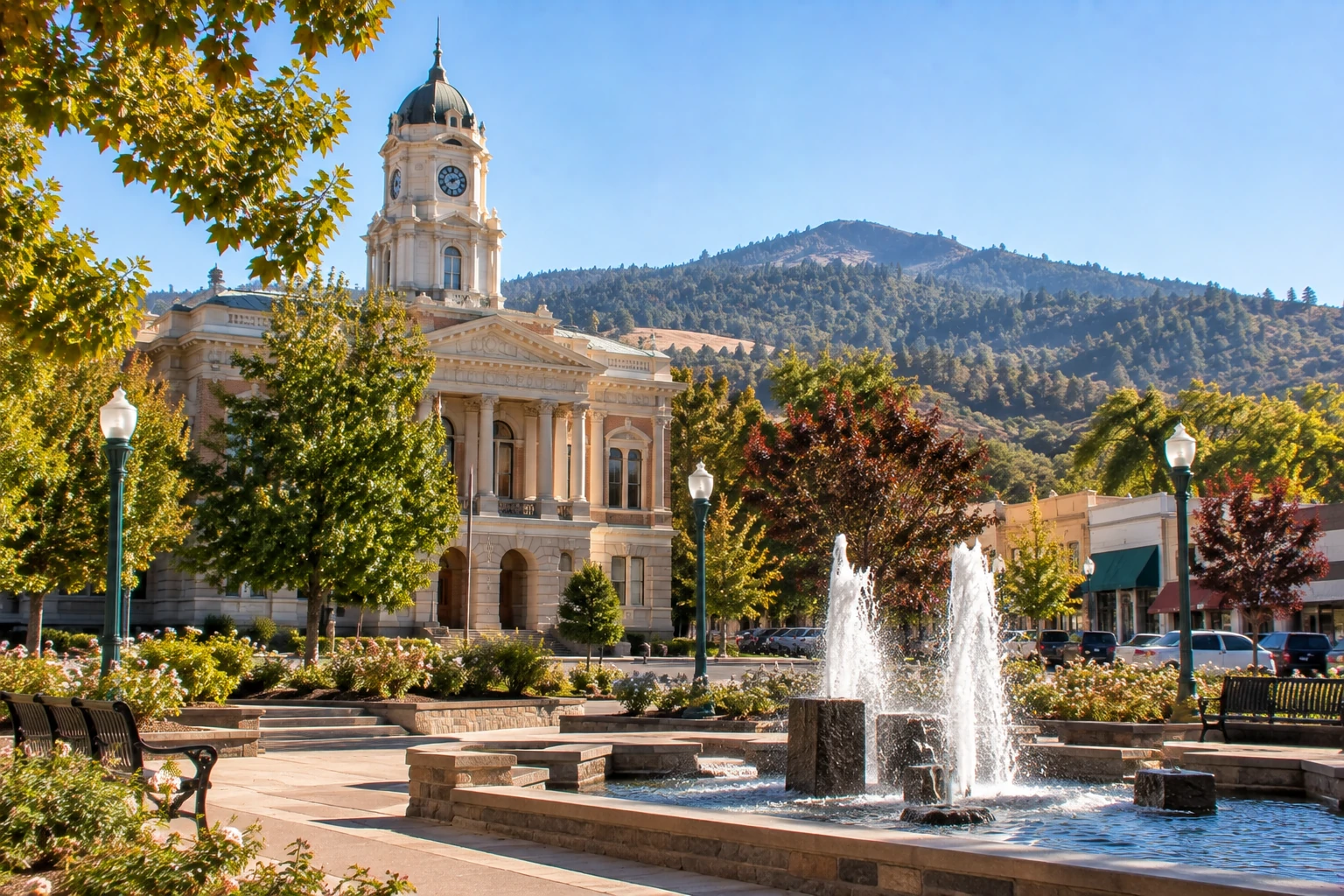
Novato sits at the northern end of the North Bay, far enough inland to run warmer than the immediate coast — summer afternoons regularly reach the mid-eighties — but still open to marine influence through the coastal wind gap to the northwest. What defines the city for deck and balcony durability is the rain: annual precipitation runs 27–30 inches, well above inland markets, and it falls almost entirely between November and March. That concentration matters more than the total. Sustained winter saturation drives moisture into every flashing seam, sealant joint, and fastener penetration, and the mature oak canopy across the hillside neighborhoods blocks the sun-driven drying that would otherwise shed it. Framing under canopy can stay damp for weeks after a storm cycle. Scheduled inspection, disciplined drainage detailing, and corrosion-resistant fasteners are essential here.
Wildfire severity zones
Substantial areas of Novato — the oak-woodland and grassland hillsides around San Marin, Indian Valley, Black Point, Pacheco Valle, and the slopes below Mount Burdell — fall within designated wildfire hazard severity zones. Decks in these areas must comply with California Building Code Chapter 7A, which requires ignition-resistant materials. Standard wood decking is not permitted for new construction or substantial repairs, and under-deck enclosure, ember-resistant venting, and non-combustible framing details all come under review. Our licensed construction firm specifies fire-rated composite decking, non-combustible framing, and Chapter 7A-compliant assemblies for Novato properties in these zones, and prepares compliance documentation in formats that clear fire-district and plan-check review on first submission.
Bel Marin Keys & waterfront properties
Bel Marin Keys is a navigable-lagoon community where homes back directly onto water, and the conditions there are unlike anywhere else in the city. Brackish water keeps humidity high year-round, elevated decks and walkways sit close to the waterline where splash and spray reach framing, and metal connectors corrode faster than at dry-side properties. Post bases and footings contend with a high water table that never fully drops. Repairs on lagoon-front decks call for corrosion-resistant hardware as a baseline, careful post-base detailing that keeps wood off saturated ground, and drainage that moves water away from the structure rather than holding it against the framing. Note that dock, float, and bulkhead structures themselves are a separate marine trade — our scope covers the decks, balconies, stairs, and elevated walkways attached to the building.
Hamilton Field & low-lying construction
The Hamilton Field neighborhood occupies the grounds of a former military airfield, redeveloped into housing from the 1990s onward and sitting adjacent to restored wetlands on low, flat ground. The building stock there is comparatively young — most of it post-1995 — which puts it in a different repair phase than the rest of Novato: rather than decades-overdue structural restoration, these properties are reaching first- and second-cycle waterproofing renewal, with original elastomeric membranes at or past service life. The low elevation and high water table do add drainage considerations that hillside properties never face, particularly around ground-level decks, stairs, and post bases. Our certified firm scopes Hamilton Field work to the actual condition and era rather than applying an older-stock assumption.
Common building stock we work on
Novato’s residential stock spans several distinct eras and site types. Older homes and small apartment buildings in Old Town Novato along and around the Grant Avenue corridor include pre-war and mid-century stock needing railing replacement, ledger restoration, and refinishing of original wood porches and balconies. 1960s–1980s subdivisions in San Marin, Loma Verde, Ignacio, and the surrounding hillside neighborhoods feature custom and builder-grade elevated decks — many now requiring WUI-rated material upgrades during substantial repair. Apartment communities along the Highway 101 corridor form the bulk of the SB 721-eligible inventory. 1980s–2000s HOA-managed townhome and condominium developments fall under SB 326, with most at first- or second-cycle waterproofing renewal. Waterfront homes in Bel Marin Keys and post-1995 construction at Hamilton Field each carry their own site-specific requirements. Our certified construction crew scopes every project to the era, original materials, site conditions, and code in effect at installation.
Neighborhoods served
Our certified Novato crew covers Old Town Novato and the Grant Avenue corridor, Hamilton Field, Bel Marin Keys, Ignacio, San Marin, Indian Valley, Black Point, Pacheco Valle, Loma Verde, Pointe Marin, Bahia, the Highway 101 corridor, and the hillside neighborhoods below Mount Burdell. ZIP codes include 94945, 94947, and 94949.
What we typically see
Across our Novato inspections, our company most often documents: (1) concealed dry rot at ledger and joist connections driven by sustained winter saturation and oak-canopy shade that blocks drying — a Novato-specific concern from the local rainfall and terrain; (2) non-compliant wood decks on properties inside wildfire severity zones, a code gap that surfaces in any substantial repair; (3) post-base deterioration and footing erosion on hillside properties without adequate drainage detailing; (4) corroded connectors and high-water-table post-base rot on lagoon-front and low-lying properties; (5) railings on pre-2000 buildings that fall short of the current CRC 42-inch height and 4-inch sphere rule; (6) first- and second-cycle waterproofing wear on 1980s–2000s townhome stock and post-1995 Hamilton Field construction. Every finding is captured in a written assessment with prioritized repair, replacement, or restoration recommendations.
Emergency response & remodeling
For Novato properties with acute safety issues — sagging framing, loose railings, visible rot at load-bearing connections, hillside deck movement, red-tagged structures, or storm-driven damage — our emergency repair crew responds within 24–48 hours with temporary shoring and code-compliant stabilization. We also handle full balcony and deck remodeling for property owners modernizing the look and function of older outdoor spaces while bringing the structure up to current safety code and WUI Chapter 7A requirements where the property sits in a designated zone.