Deck Wood Rot Repair · CSLB #1060736
Commercial Deck Wood Rot Repair in California
We repair rotted deck framing and decking across California — cutting decay back to sound wood, replacing what’s lost, and dealing with the water path that caused it. Rot is the symptom rather than the problem. Cut it out and put fresh timber into the same conditions, and you’ve bought a few years.
- CSLB #1060736 Licensed California contractor
- 9+ yrs Repairing rot on commercial decks
- Cause found first Water path fixed, not just the rot
- Commercial Multifamily, HOA & hotel properties
01 Why it matters
By the time a board feels soft, the joist under it has been wet for years
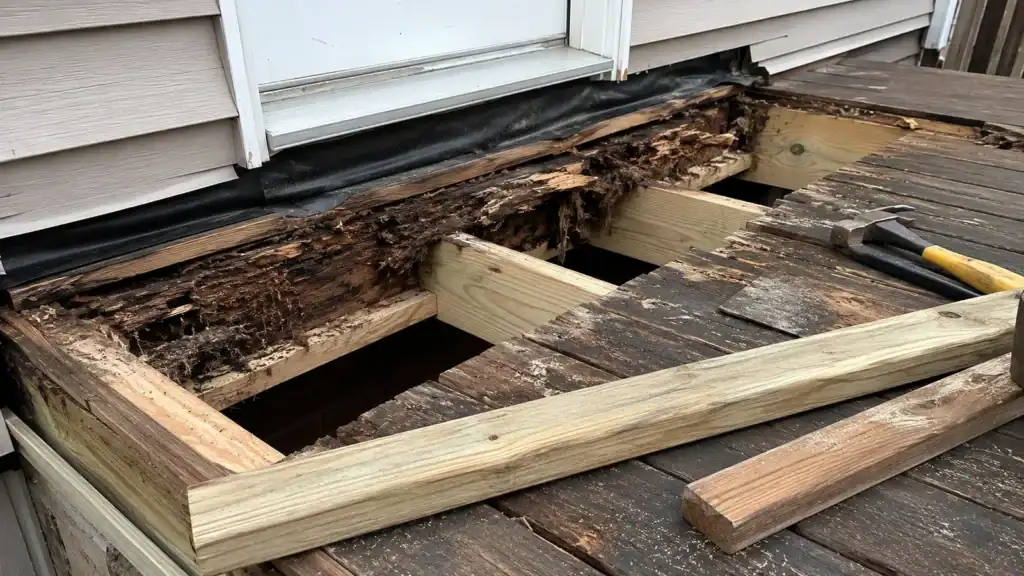
Deck rot almost never starts where you notice it. Water off the surface sits on the tops of the joists, runs down unflashed post penetrations, collects at the ledger where the deck meets the building, and soaks into post bases sitting in soil. Those four places account for the large majority of what we cut out. The decking itself is usually the last thing to go, because it dries between rains and the framing under it doesn’t. A soft board is late evidence, not an early warning.
That’s why a rot repair has to find the water before it replaces the wood. Cutting out a decayed joist and putting a new one into the same unflashed, unprotected position produces the same failure on the same schedule — later in your ownership rather than never. The repair that lasts is the one where the joist tops get taped, the ledger gets flashed, and the post comes out of the dirt onto a metal base.
The other thing worth knowing before we start is that the repair will be larger than the damage looks. Decay fungus spreads through wood ahead of the part that has visibly failed, so cutting back only to where the timber looks bad leaves colonised wood in place. We cut past the visible edge into sound material, which is why a repair that photographed as one soft joist becomes two joists and a section of rim once it’s opened up.
The board is the last thing to rot, not the first. If you can push a screwdriver into it, the frame below has been wet since long before you noticed.
02 The D&B difference
What proper rot repair involves
We treat the water path as the job and the timber as the consequence, because doing it the other way round is why decks get repaired twice.
The source is found before the wood is replaced
Unflashed ledger, unprotected joist tops, a post in soil contact, a leaking penetration — we identify what’s putting water into that spot and correct it as part of the repair, not as a separate quote.
Cut back to sound wood, with margin
Decay reaches further than it shows. We probe out to material that resists a probe and cut past it, rather than stopping where the damage stops looking obvious.
Structural repair, not cosmetic filler
Consolidants and epoxy fillers have their place on trim and non-structural timber. They don’t restore the load capacity of a joist, a beam, or a post, and we won’t use them where structure is carrying people.
03 · Service Areas
Where We Work in California
Every city links to a dedicated local page — crews, recent projects and compliance details for that area.
Sacramento Metro
11 cities
East Bay
18 cities
Don’t see your city? We likely still cover it — call (916) 848-2728.
04 How a project runs
How a deck rot repair runs, start to finish
-
01
Assessment
Probe testing across joists, beams, ledger, and post bases, with moisture readings, so the extent is established rather than estimated from what’s visible.
-
02
Source identification
Where the water is coming from at each affected location, because that determines what has to change beyond the timber.
-
03
Scope & estimate
Written scope covering what’s being cut out, what’s replacing it, and the water-path corrections, with a stated allowance for what opening up may add.
-
04
Opening up
Boards lifted and the affected area exposed, with the final extent confirmed before cutting.
-
05
Removal & replacement
Decay cut back to sound material, framing replaced or sistered with rated connectors, and posts re-set on metal bases where required.
-
06
Water-path correction
Ledger flashed, joist tops taped, penetrations sealed and flashed, drainage corrected where it’s contributing.
-
07
Reinstatement & handover
Boards replaced or refitted, deck made good, and documentation — including SB 721 / SB 326 material on commercial property.
05 Scope
What’s included in a D&B rot repair
Complete rot repair — cause and consequence — from one CSLB-licensed crew.
- Probe testing and moisture readings across the framing, not just at the visible damage
- Identification of the water path feeding each affected area
- Written extent, with an allowance stated for what opening up may reveal
- Decking lifted to expose the framing
- Decay cut back past the visible edge to sound material
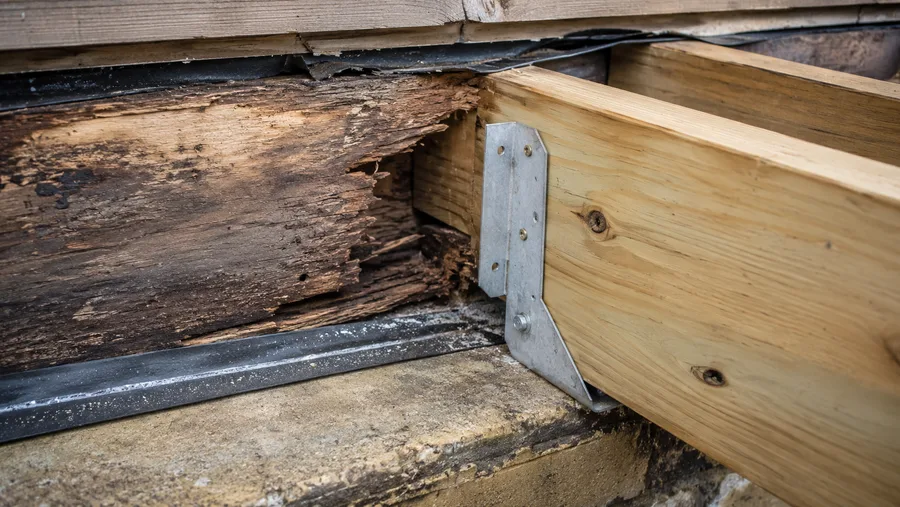
- Joist, beam, and rim replacement or sistering with rated connectors
- Ledger sections replaced and re-flashed per CBC 1604.8.1
- Posts replaced and re-set on metal bases clear of soil
- Joist tape and flashing over joist tops before boards go back
- Post penetrations and railing bases flashed
- Rotted deck boards replaced in matched material where available
- Drainage corrected where it’s putting water into the structure
- Honest assessment when the extent makes rebuilding the better value
- Documentation for the SB 721 / SB 326 compliance file
Built to current code: CBC 1604.8.1 ledger connections · ASCE 7 load criteria · rated connectors and structural fasteners
06 Investment
What deck rot repair costs
Rot repair is quoted after probing, and the estimate has to include what probing can’t fully see.
What drives the number
- How many members are affected, and whether they’re joists, beams, the ledger, or posts
- Where the damage is — ledger and post repairs cost more than a joist mid-span because of what has to be supported while they’re out
- Whether members can be sistered or must be fully replaced
- The water-path corrections needed at each location
- Deck boards lifted, replaced, and made good
- Access, and whether the deck has to be temporarily shored
- Board matching, where the original decking is weathered or discontinued
Why the number can move, and how we handle it: decay extends beyond what a probe reaches, so opening up sometimes finds more. We state an allowance in the estimate for that rather than presenting it later as a change order — and where the assessment suggests the damage is likely to be extensive, we say so before you commit rather than after the deck is open. When repair stops being the right money: roughly when more than about a third of the framing is affected, or when the ledger and multiple posts are involved together. At that point you’re paying repair prices for most of a rebuild and ending up with a deck of two ages. We’ll price both and tell you which we’d choose. Final pricing follows an on-site assessment — request a free estimate, no obligation.
In the field
Rot repair detail
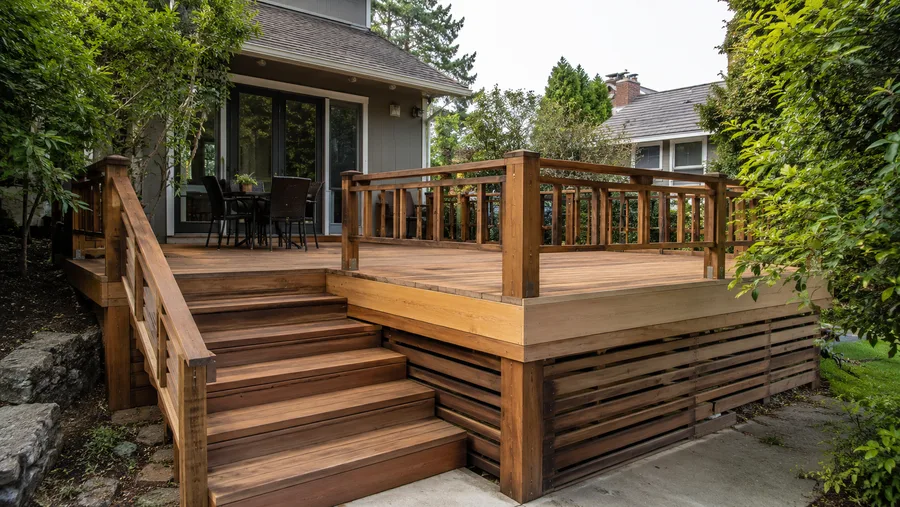
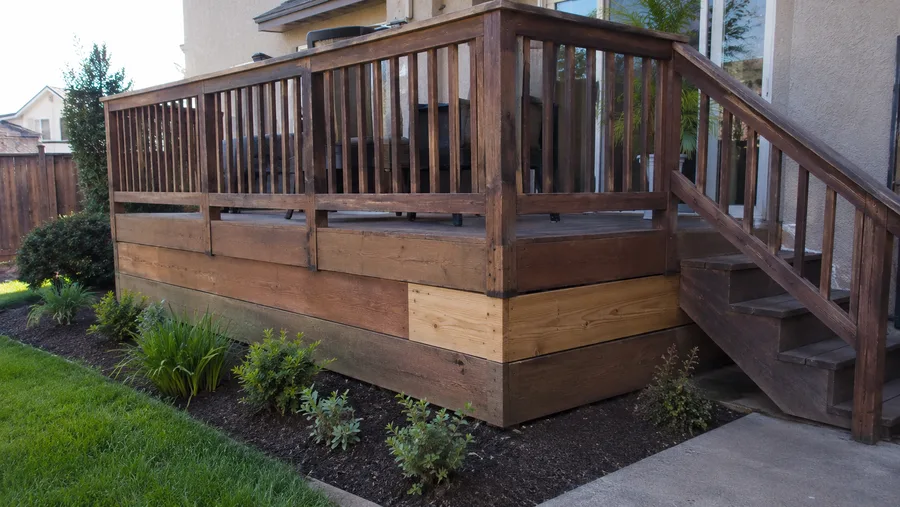
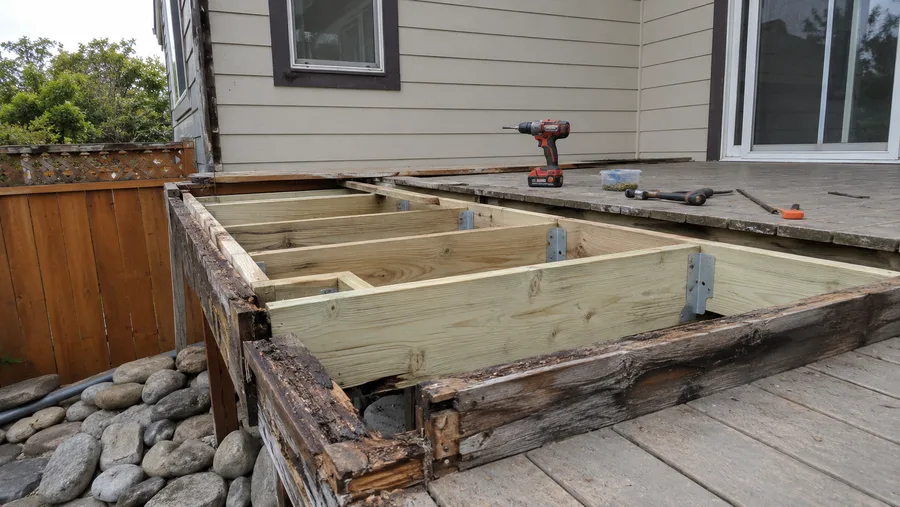
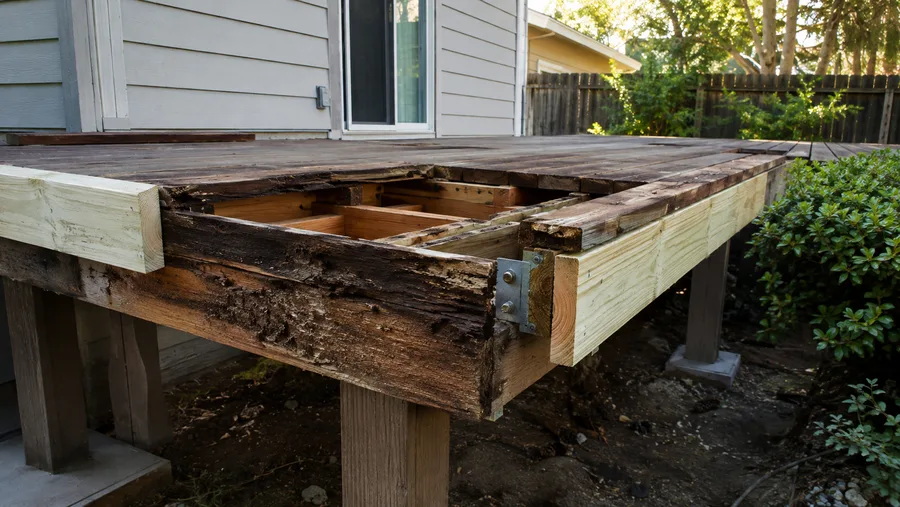
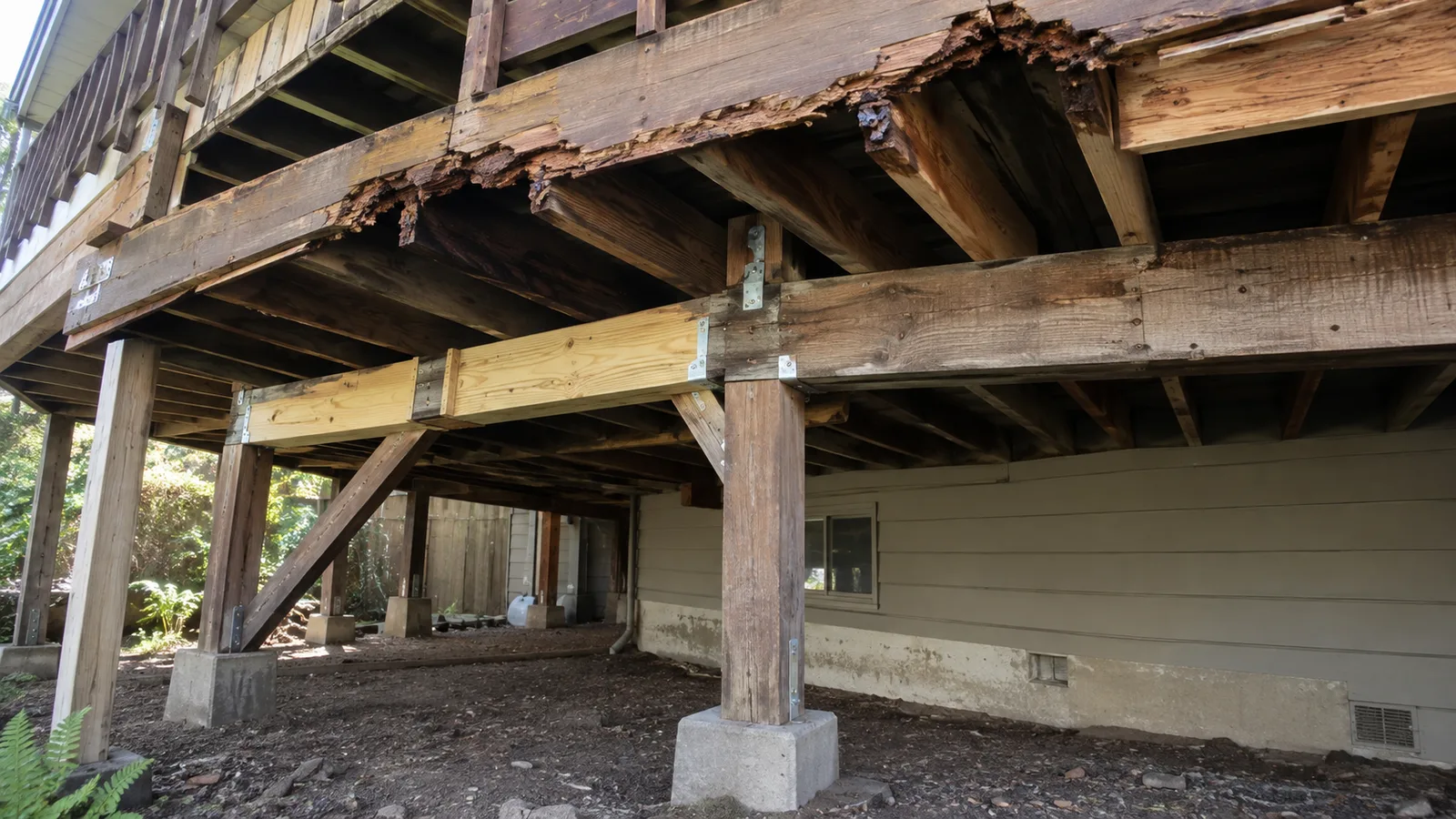
What the boards were covering, and what went back in.
07 Project example
A recent rot repair
A client called about two soft boards near the house. Probing found what the boards were telling us: the ledger behind them had been taking water for years through a connection that had never been flashed, and the decay had spread along it and into the ends of four joists. Two posts on the same elevation were also soft at the base, sitting directly in soil. D&B cut the ledger section and the joist ends back past the visible damage to sound timber, replaced them with rated connectors, re-flashed the ledger properly, re-set both posts on metal bases clear of the ground, and taped the joist tops before the boards went back. The two boards that started the conversation were the least of it and the last thing fixed.
We called about two boards. The boards were fine — they were just the only part we could see. Client · California
08 Case studies
Recent Projects, Documented
Real commercial properties — what the building needed, what we did, and what it delivered.
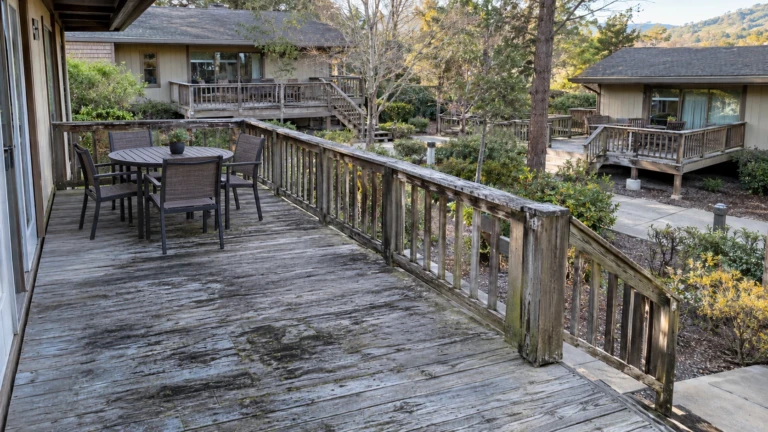 Deck Repair & RestorationPrivate Deck & Guardrail Rebuild Across a Residential Community — Los AltosUnit-by-unit deck replacement where the guardrail was the real finding — railing posts rotted through at the rim,…View case study
 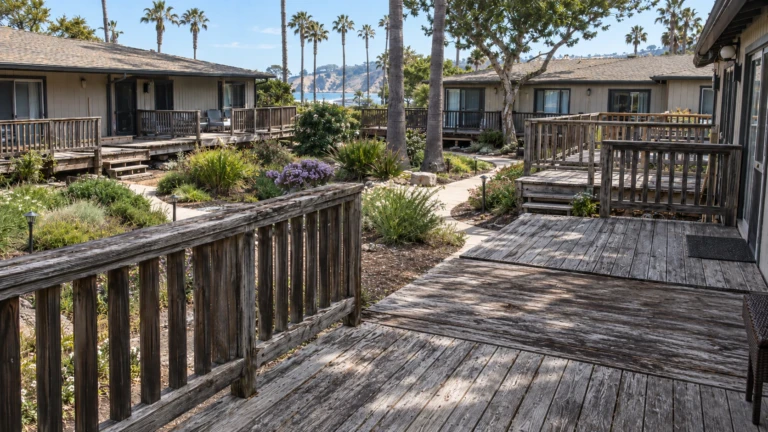 Deck ConstructionPatio Deck & Post Base Replacement Across a Bungalow Community — San RafaelDeck-by-deck replacement across a courtyard community, driven by the one detail that failed first — posts set straight…View case study
 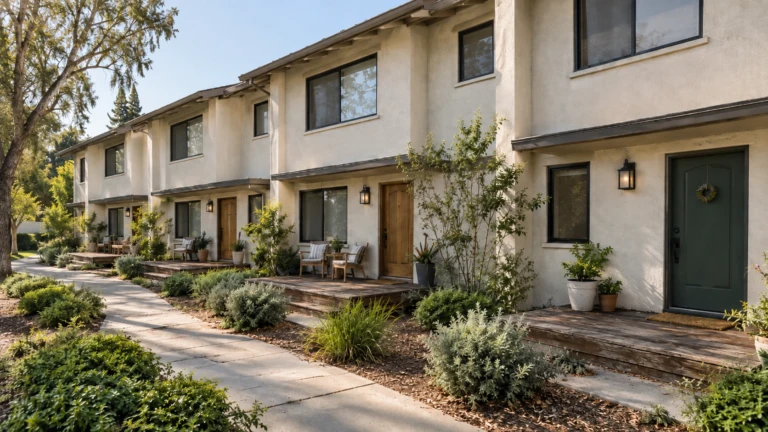 Deck Repair & RestorationEntry Porch Deck Replacement Across a Townhome Row — PleasantonTwenty-four front-door decks rebuilt with air beneath them and planting pulled back from the edge — because these…View case study
 09 Client feedback
What clients say
They found where the water was getting in before replacing anything. The last repair we paid for lasted four years because nobody did that.
They told us up front the repair would be bigger than it looked and explained why. It was, and the price didn’t move.
Another contractor wanted to fill the soft joist with epoxy. These ones explained why that doesn’t work on something carrying weight.
10 FAQ
Deck rot questions
Where does deck rot usually start?
Four places, in roughly this order: the tops of the joists, where water off the boards sits and doesn’t dry; the ledger connection to the building, where an unflashed joint has been taking water for the deck’s whole life; post bases sitting in soil contact; and railing post penetrations, where water runs down the fasteners into the frame. The decking itself is usually the last thing to fail, because it dries and the framing beneath it doesn’t.
Why is the repair always bigger than the damage looks?
Because decay fungus spreads through timber ahead of the part that has visibly failed. Wood a foot beyond the soft area can already be colonised and losing strength while still looking sound. Cutting back only to where the damage is obvious leaves that in place and the repair fails from the inside. We probe out to material that resists a probe and cut past it — which is why a job that photographed as one joist becomes more once it’s open.
Can rotted wood be treated instead of replaced?
Not where it’s carrying load. Consolidants and epoxy fillers are legitimate for trim, cosmetic timber, and non-structural repairs, and they restore appearance rather than strength. A joist, a beam, or a post that has lost section to decay has lost load capacity permanently, and no filler brings that back. On a structure people stand on at height, that distinction matters.
Will the rot stop if the deck dries out?
Drying arrests the fungus — decay needs moisture and stops advancing without it. What it doesn’t do is restore the wood that’s already been destroyed. Timber that has lost strength stays weak whether it’s wet or dry, so drying a deck out means the damage stops growing, not that the deck is fixed.
How much does it cost to repair wood rot on a deck?
It depends on how many members are affected and where. A joist mid-span is straightforward. The ledger or a post is more, because the deck has to be supported while the member is out. On top of the timber comes correcting the water path that caused it, which is the part that determines whether you’ll be doing this again. We probe first, quote with a stated allowance for what opening up may add, and don’t hide that in the small print.
Can I just replace the rotten deck boards?
Only if the framing under them is sound, and it usually isn’t. A board that has gone soft has been sitting on a wet joist, so replacing the board while leaving the joist puts new timber onto the same problem. We probe the framing at every soft board before quoting board replacement, because the honest answer is often that the boards are the smallest part of the job.
When does rot repair stop being worth it?
Roughly when more than about a third of the framing is affected, or when the ledger and several posts are involved together. Past that you’re paying repair prices for most of a rebuild and ending up with a deck of two different ages. We price both and give you a straight recommendation rather than quoting the bigger job by default.
Does rot repair address an SB 721 or SB 326 finding?
Directly — decay in framing, ledgers, and posts is exactly what those inspections look for on wood-framed elevated elements. Repairing to current standard with rated connectors and proper flashing closes the finding, and we document the work for the compliance file.
Are you deck rot repair contractors in California?
We’re a CSLB-licensed contractor (#1060736) repairing rot across the Bay Area, Central Valley, and Sacramento. Probing, structural repair, flashing, and the water-path corrections come from one crew — because separating them is why rot repairs come back.
11 Start here
Get the extent established — free assessment
Tell us what you’re seeing: a soft board, a spongy step, a post that’s gone dark at the base. We’ll probe the framing around it, find where the water is coming in, and give you a written scope with the extent and the cause both priced.
CSLB #1060736 · 9+ years · Insured & Bonded · Serving the Bay Area, Central Valley & Sacramento