Commercial Balcony Waterproofing · CSLB #1060736
Balcony Waterproofing for California Commercial & Multifamily Properties
Waterproofing a balcony is the single decision that keeps water out of the structure — and it’s all we do here: concrete, wood-framed, and tiled balconies for California’s apartment communities, condominiums, HOAs, and hotels. Built as an integrated system — membrane, flashing, drainage, and the balcony floor surface together — not a paint-on coating that fails at the seams.
- CSLB #1060736 Licensed California contractor
- 9+ yrs Waterproofing commercial balconies
- SB 721 / 326 Built to pass inspection
- Commercial Multifamily, HOA & mixed-use only
01 Why it matters
The waterproofing is the only thing between the balcony floor and the structure
On a balcony, the waterproofing membrane is the one layer standing between the walking surface and the wood or concrete underneath. When it fails — a cracked coating, open grout on a tiled balcony, flashing that was never integrated at the wall — water goes straight into the structure. On a wood-framed balcony that means rot in the joists and ledger; on concrete it means corroded rebar and spalling.
In California, every balcony is an exterior elevated element, inspected under SB 721 (rentals) or SB 326 (HOAs) every six to nine years. Water intrusion is exactly what those inspections look for — and a balcony with failed or missing waterproofing is the most common reason an assembly gets flagged.
Balcony floor waterproofing done right — a continuous membrane, correct slope, flashing tied into the wall, and a surface rated for foot traffic — stops that failure before it starts and clears the inspection cycle with nothing to remediate. Getting the waterproofing right is the cheapest way to protect the entire balcony.
By the time water shows on the ceiling below, it’s already been in the framing for years. The waterproofing is what buys you those years — or costs them.

02 The D&B difference
What proper balcony waterproofing actually includes
We waterproof the balcony as one integrated assembly — surface, membrane, flashing, and drainage built together by one CSLB-licensed crew under one warranty. That’s what separates real balcony waterproofing from a coating contractor rolling product over an unrepaired balcony.
A system, not a coating
The membrane is integrated with the flashing, the drainage, and the wall’s weather-resistive barrier — so there are no seams at the door, wall, or posts for water to find. A waterproof balcony coating on its own doesn’t fix the interfaces where balconies actually leak.
Every balcony substrate
Concrete, wood-framed, and tiled balconies — including waterproofing over existing tile where the tile is sound and the slope allows, so you avoid a full tear-out when you don’t need one.
Built to pass inspection
The waterproofing is detailed to hold up through the SB 721 / 326 inspection cycle and documented for the property’s compliance file — one vendor accountable, not a chain of subcontractors.
03 · Service Areas
Where We Work in California
Every city links to a dedicated local page — crews, recent projects and compliance details for that area.
Sacramento Metro
11 cities
East Bay
18 cities
Don’t see your city? We likely still cover it — call (916) 848-2728.
04 How a project runs
How to waterproof a balcony floor — start to finish
-
01
Assessment
We inspect the balcony surface, flashing, and drainage, take moisture readings, and check whether water is already in the structure — then agree on the system and finish.
-
02
Surface prep & repair
We remove failed coatings or tile as needed, repair the substrate — concrete crack and spall repair, or wood rot and framing repair — and correct the slope to drain.
-
03
Membrane & flashing
We install a continuous waterproofing membrane integrated with the flashing and the wall’s weather-resistive barrier — sealing the door threshold, wall, and post penetrations.
-
04
Surface & drainage
We finish with the specified balcony surface — traffic coating, pedestal pavers, or new tile — and verify positive drainage.
-
05
Documentation & handoff
We walk the balcony with you and hand over as-built documentation for the SB 721 / 326 compliance file.
05 Scope
What’s included in a D&B balcony waterproofing job
Complete exterior balcony waterproofing — from substrate repair through a sealed, traffic-rated balcony surface, handled in-house by one licensed crew so there’s no seam between trades to fail later.
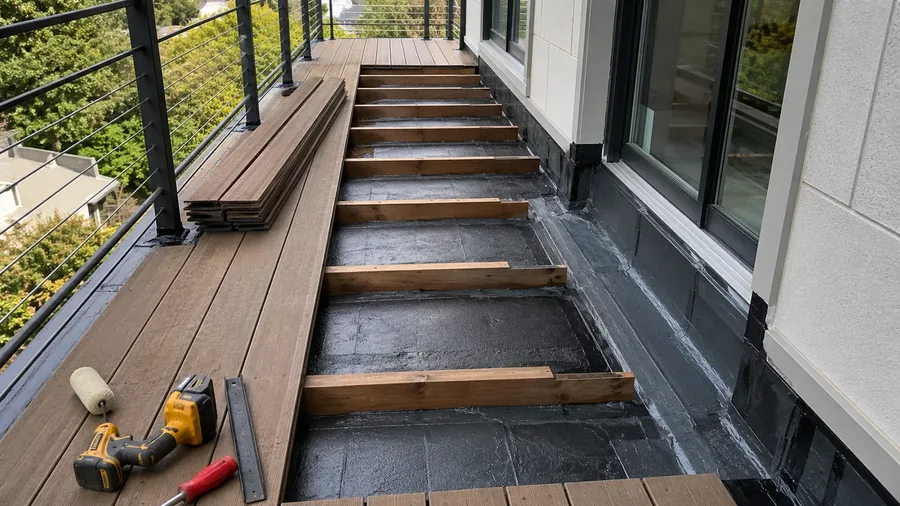
- All balcony substrates — concrete, wood-framed, and tiled balcony floors
- Continuous waterproofing membrane integrated with flashing and the weather-resistive barrier
- Slope correction so water drains off the balcony, not into it
- Balcony surfaces — traffic coatings, pedestal pavers, or new tile
- Waterproofing over existing tile where the tile is sound and slope allows — no full tear-out
- Flashing at doors, walls, posts, and scuppers / drains — the interfaces where balconies actually leak
- Balcony repair and waterproofing combined — rot and spall repair before the membrane
- As-built documentation for the SB 721 / 326 compliance file
Systems we install: fluid-applied (liquid) membranes · sheet membranes · traffic coatings · pedestal-paver assemblies — matched to your substrate, slope, and traffic
06 Investment
How much it costs to waterproof a balcony
Every balcony is quoted after an on-site assessment — but this rate reflects typical recent commercial and HOA work and helps you budget the cost to waterproof a balcony early.
What drives the number
- Balcony substrate and its condition — concrete, wood, or tile, and how much repair it needs
- Whether an existing coating or tile has to be removed, or can be sealed over
- Slope corrections and any drainage / scupper work
- Balcony surface selected — coating vs. pavers vs. new tile
- Flashing complexity at doors, walls, and posts
- Number of balconies and site access across the building
Ranges reflect typical recent commercial and HOA work. Sealing over a sound existing surface is the cost-effective route where the substrate allows; a failed balcony needs full prep first. Final price follows a site assessment — request a free estimate, no obligation.
In the field
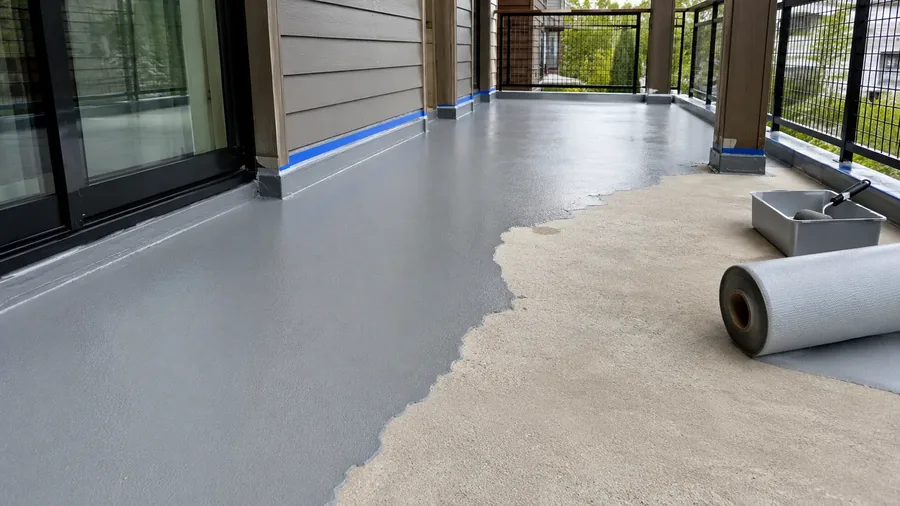
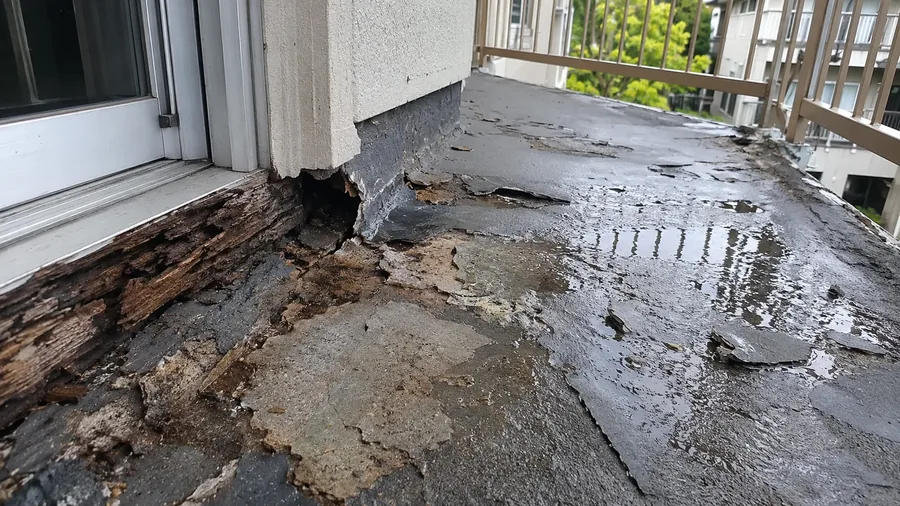
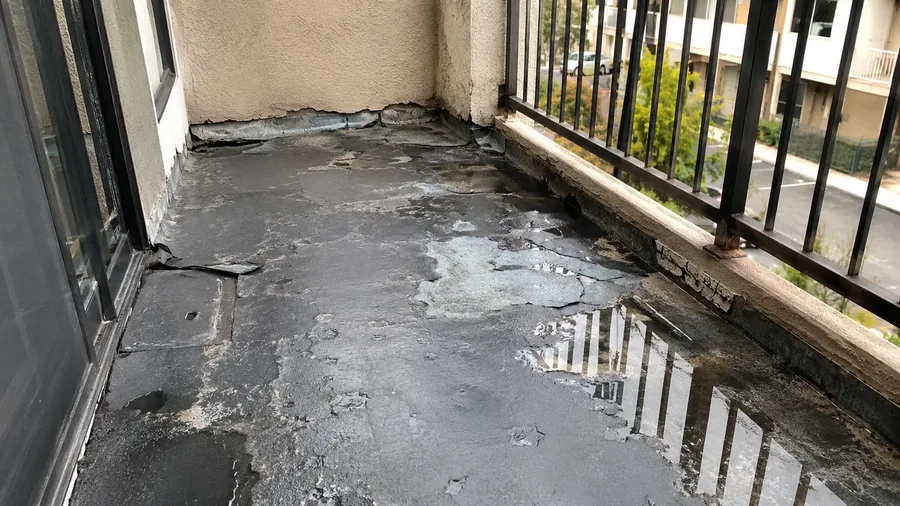
Balcony waterproofing systems
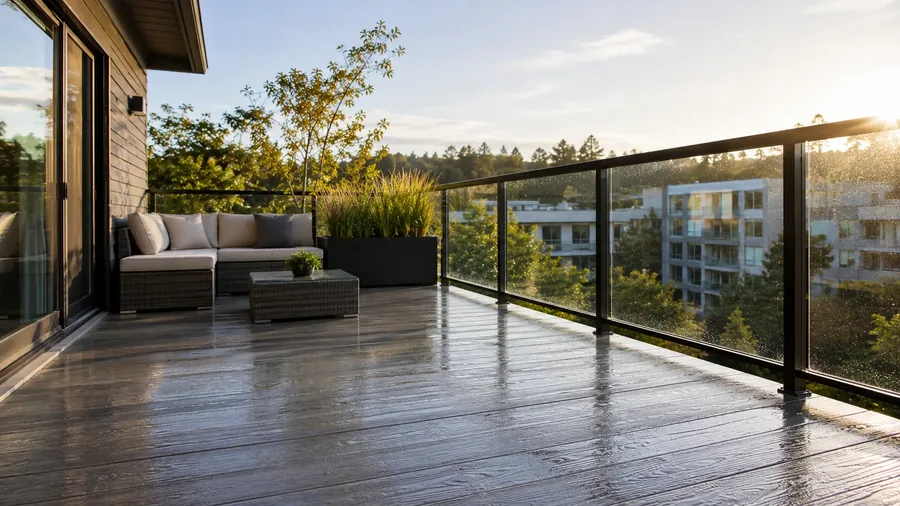
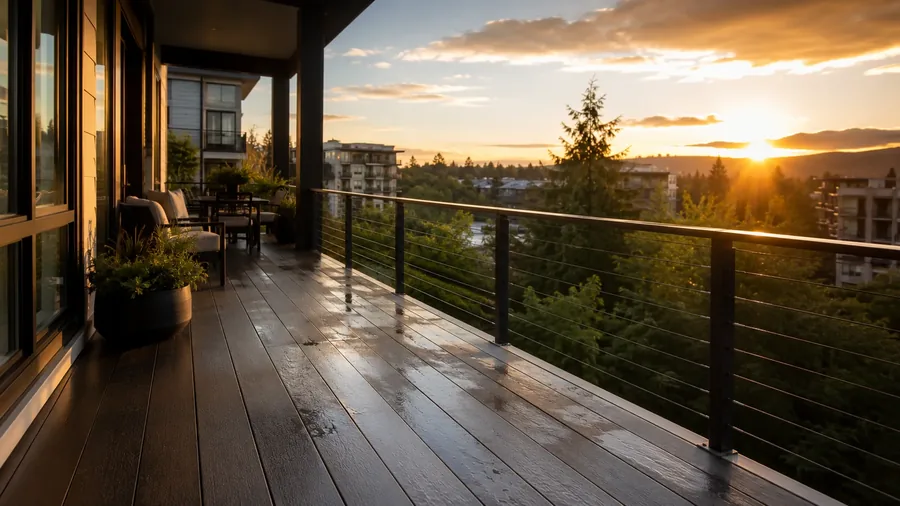
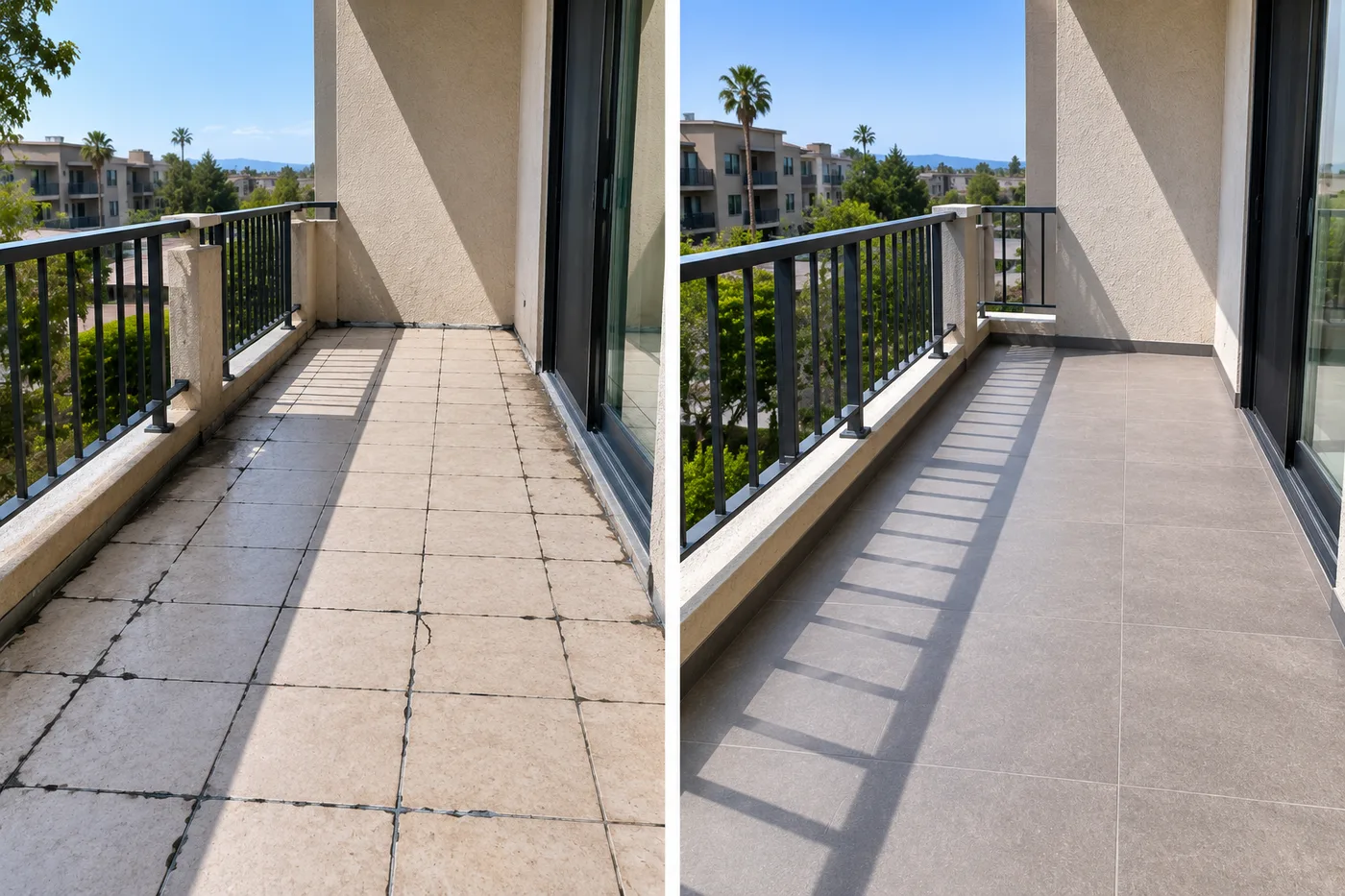
Concrete, wood-framed and tiled balconies waterproofed to the detail at every edge and penetration.
07 Project example
A recent balcony waterproofing project
An HOA-managed condominium in the Bay Area had tiled balconies leaking into the units below — open grout and failed perimeter flashing letting water into the wood framing. D&B assessed each balcony, repaired the substrate and framing where water had already reached it, installed a continuous membrane tied into new door and wall flashing, and re-set the balcony surface with proper slope to drain. The leaks stopped, and the balconies went into the property’s SB 326 file clean.
The tile looked fine — the problem was the grout and flashing letting water past it. Once the membrane and flashing were done right, the leaks below stopped completely. Community Manager · Bay Area condominium
08 Case studies
Recent Projects, Documented
Real commercial properties — what the building needed, what we did, and what it delivered.
 WaterproofingBalcony & Walkway Waterproofing — 12 Elevated Elements, Rio LindaThe coating still covered the middle of every walkway. It had given up at the edges, and the…View case study
  WaterproofingBalcony Waterproofing & Reconstruction — Apartment Walkway, San JoseThe walkway read as concrete and the railing read as tired. Both were wrong: the surface was a…View case study
  WaterproofingBalcony Waterproofing — Blue Apartment Building, VacavilleThe coating had not cracked. It had worn thin exactly where the debris line sat — along the…View case study
 09 Client feedback
What property managers say
Our top-floor balconies were leaking into the units below. D&B found it was the flashing, not the tile — waterproofed all of them and the leaks stopped. One crew, one warranty.
They waterproofed our concrete balconies without us having to gut them, and documented everything for our SB 326 file. The whole job came in on budget.
Our wood-framed balconies had rot starting under the coating. They repaired the framing first, then did the membrane and flashing properly — not just a coat of paint over the problem.
10 FAQ
Balcony waterproofing questions
How much does it cost to waterproof a balcony?
Most commercial and HOA balcony waterproofing runs $25–$60 per square foot installed, depending on the substrate, how much repair it needs, whether an existing coating or tile is removed or sealed over, and the finish. The cost to waterproof a balcony is quoted after an on-site assessment — you get a firm price, not a guess.
How do you waterproof a balcony floor?
Five steps: assess the surface, flashing, and drainage; prep and repair the substrate; correct the slope; install a continuous membrane tied into the flashing; then apply the balcony surface. The membrane and flashing — not the coating alone — are what actually keep water out.
Can you waterproof over existing balcony tiles without removing them?
Sometimes. If the tile is sound, well-bonded, and the slope is adequate, we can waterproof over existing tile with a surface-applied system — the route that avoids a full tear-out. If the tile is loose, the slope is wrong, or water’s already in the substrate, the tile has to come off and the balcony rebuilt. We tell you which at assessment.
How do you waterproof a wooden balcony?
On a wood-framed balcony the details matter most: we repair any rot in the boards, joists, and ledger first, prep the substrate, then install a membrane integrated with flashing at the door, wall, and posts, with correct slope to drain. Skipping the flashing integration is why most wood balconies leak.
How do you waterproof a concrete balcony?
For concrete balcony waterproofing we repair cracks and spalls, prime the slab, and install a fluid-applied or sheet membrane detailed into the flashing and drainage — then a traffic-rated surface. Done right, waterproofing concrete balconies stops both surface water and the freeze-thaw damage that opens cracks over time.
What balcony waterproofing systems and products do you use?
Fluid-applied (liquid) membranes, sheet membranes, traffic coatings, and pedestal-paver assemblies — we match the balcony waterproofing system and products to your substrate, slope, and traffic rather than using one coating for everything.
Do you offer balcony waterproofing near me in California?
We’re a CSLB-licensed balcony waterproofing contractor (#1060736) serving the Bay Area, Central Valley, and Sacramento. Instead of searching “balcony waterproofing near me,” you can call one contractor who handles the repair, membrane, flashing, and surface in-house.
11 Start here
Start your balcony waterproofing with a free estimate
Send us photos or tell us about your balconies — we’ll assess the substrate, flashing, and drainage and give you a free estimate covering system, timeline, and cost. No obligation.
CSLB #1060736 · 9+ years · Insured & Bonded · Serving the Bay Area, Central Valley & Sacramento