When Is The SB721 Compliance Deadline?
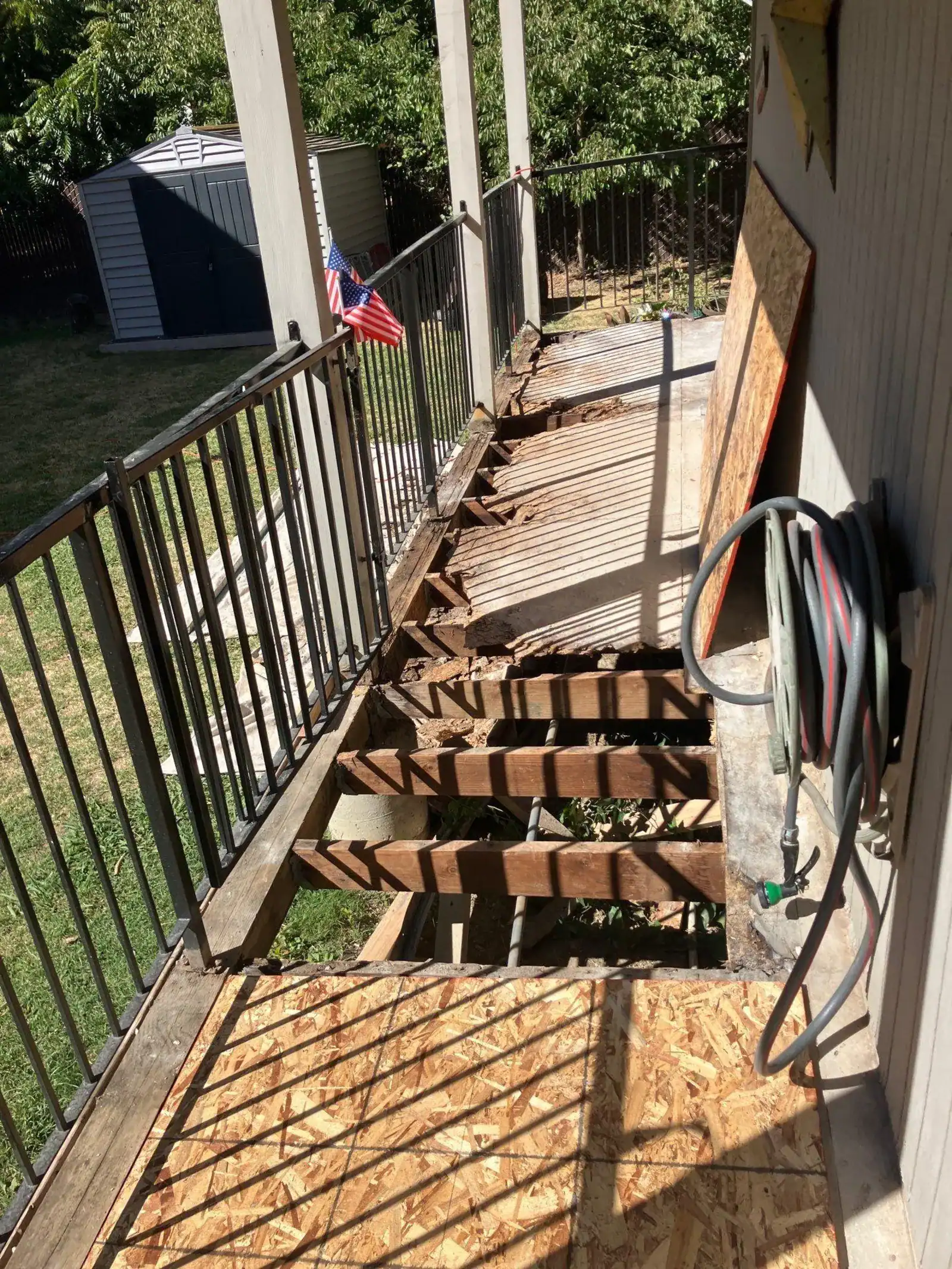
The short answer: the deadline has already passed. The cutoff for the first SB 721 inspection was January 1, 2026, and it’s now behind us. If you own a rental building in California and still haven’t had your balconies inspected, that’s no reason to panic, but it is a clear reason to act — and this article is about how to catch up on what’s overdue without the extra stress.
The subject of deadlines has gathered a lot of confusion: the date was pushed back, it’s often cited wrong, and on top of that the law gets mistakenly applied to condominiums it doesn’t cover. Let’s lay it all out — which deadline is current today, why it shifted, who the law actually applies to, what missing it can cost you, how to handle it if you recently bought the building or already had it inspected, and where to start if you’re late.
Which Deadline Applies Now
To settle the question of dates once and for all, here’s the short history of the change. Originally the first SB 721 inspection had to be completed by January 1, 2025. In the fall of 2024, Assembly Bill 2579 was passed, pushing that date back by a year — to January 1, 2026. January 1, 2026 is the cutoff in question, and as of now it has come and gone.
It’s worth noting the confusion over the date didn’t arise out of nowhere. The extension by AB 2579 happened in the fall of 2024, by which point many materials and even some pages were already citing 2025 as the deadline. Because of that, the outdated date still turns up online — but the one to go by is January 1, 2026.
After that, inspections have to repeat every six years — this is no longer a one-time date but a regular cycle. So even if you managed to pass the first inspection on time, it makes sense to put the next one on the calendar right away, so you don’t end up playing catch-up again. And for those who missed the first deadline, it’s all the more important to understand that the task hasn’t gone anywhere — it’s simply shifted into “catch up as fast as you can” mode.
Does Your Building Fall Under SB 721
Before doing anything, it’s worth making sure the law applies to your building at all. People often get this wrong, so run through this short checklist.
- Three or more units. SB 721 covers residential buildings with three or more separate units; small duplexes and single-family homes don’t fall under it.
- A rental, not a condominium. This is the key point: the law applies to rental buildings with a single owner. Condominiums managed by a homeowners association are governed not by SB 721 but by a separate law, SB 326.
- There are wood-based exterior elevated structures. Balconies, stairways, landings, walkways more than six feet up on wood supports — these are what’s subject to inspection.
- The building is in California. The law applies only in this state; in San Francisco there’s also a separate local requirement.
Let’s stress the point about condominiums, because that’s where the most misconceptions cluster. If your building is run by a homeowners association, you need not SB 721 but SB 326 — which has a different deadline (January 1, 2025, also passed) and different rules. We’ve covered exactly how the two laws differ in our piece on the differences between SB 721 and SB 326, and the condominium law itself in our article on SB 326.
What a Missed Deadline Can Cost You
Here it’s important to be direct without scare tactics. The mere fact that you missed the inspection date isn’t penalized — the law punishes not the late inspection but unresolved defects. If a hazard is found and not fixed within the allotted time, daily charges begin: from one hundred to five hundred dollars a day. The repair itself, after the report, is usually given a 120-day window.
The consequences don’t stop at fines. If defects go unaddressed for long, a lien can be placed on the property, getting in the way of a sale or a refinance. Daily charges pile up fast: with several dangerous defects, the tally can climb into significant sums within a couple of months, and the five-hundred-dollar daily ceiling formally applies per property.
Insurers are wary of buildings with open safety violations and may raise the premium or decline to renew the policy. And if someone is hurt because of a faulty balcony, an inspection not passed in time becomes a serious argument against the owner in court — that’s no longer a matter of a fine but of liability for bodily harm. What all these risks have in common is that they grow out of inaction, not out of the passed date itself, and nearly every one can be avoided simply by getting started.
Who Can Perform the Inspection
Good news for those catching up: finding someone for an SB 721 inspection is easier than it seems, because the law allows a broad circle of professionals. This is one of its convenient differences from the condominium law, where the requirements for the inspector are stricter. Any of the following will do.
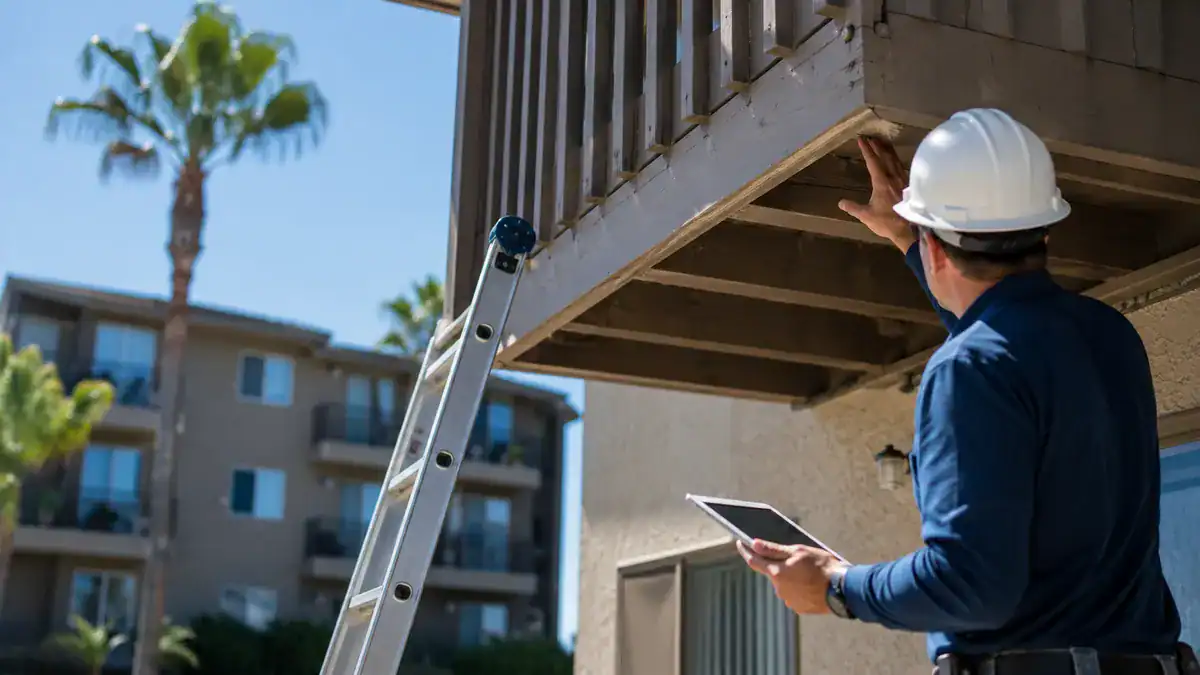
- A licensed architect.
- A licensed engineer — structural or civil.
- A contractor with an A, B, or C-5 license and at least five years’ experience.
- A certified building inspector.
The broad list is also convenient because the inspection and the repair that follows can be kept in one set of hands. A licensed contractor may both perform the inspection and immediately fix the defects found — without handing the property from one party to another and without losing time on coordination between them.
Not sure how this applies to your building?
A licensed contractor answers — free, same-day callback.
Special Cases: You Bought the Building or Already Had It Inspected
Two scenarios raise the most questions, so let’s take them separately. The first — you recently acquired the building. Here it’s important to understand that the duty to comply with SB 721 passes to the new owner along with the property. Even if the previous owner never had it inspected, the responsibility is now yours, so when buying a multi-unit building it’s worth finding out right away whether there’s a current inspection report.
The second scenario — it’s already been inspected. If you have a report in hand, check its date: the cycle is six years, and if less than that has passed since the last inspection, there’s no need to repeat it right now — it’s enough to make sure all the defects found then have been fixed and documented. But if the report is old or its origin is unclear, it’s wiser to schedule a fresh inspection to be sure you meet the current requirements.
It’s also worth keeping not just the report itself but the records of the repairs done. At a sale, in a dispute with an insurer, or at a new inspection, it’s that paper trail that proves the property was maintained in good faith — and that often matters more than the date of the inspection itself.
Where to Start If You Own Several Buildings
When there are several buildings and all of them need inspecting, the question of order comes up. Taking on everything at once rarely works, so it makes sense to set priorities by level of risk rather than alphabetically or at random. The logic is simple: you inspect first what’s most likely to turn out dangerous.
What to go by when setting priorities: first, the older buildings, because they have more accumulated wear; buildings with wooden balconies, as the most vulnerable to rot; and properties with a history of leaks or tenant complaints about the condition of the structures. The age of the building, the material of the load-bearing part, and past water problems are the three most reliable indicators of where the danger is more likely.
This approach lets you take the sharpest risks off the table quickly, even if full coverage of every building takes time. And to avoid keeping it all in your head, it helps to maintain a single list of properties with inspection dates and condition — which will also come in handy at the next cycle and serve as an argument in a conversation with an insurer or a buyer. A single provider for the whole portfolio helps here too: there’s no need to align schedules and standards with different crews at each address.
Catching Up Calmly: The Order of Operations
To pull it all together, a simple sequence helps you make up for lost time. It works both for a single building and for a portfolio of several — only the scale changes.
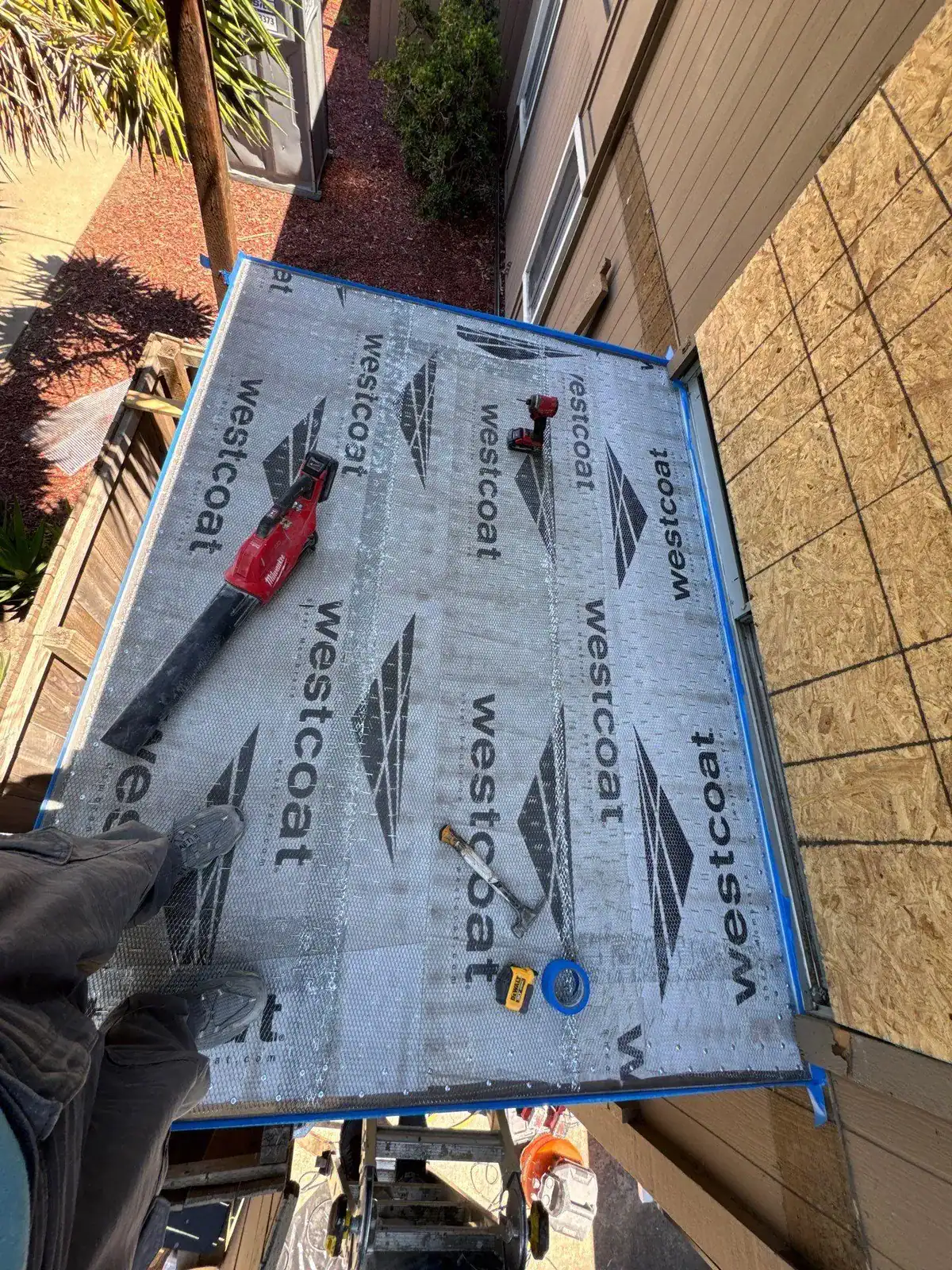
Start by determining which of your buildings fall under SB 721 at all, and rank them by risk priority. Then schedule the inspection with a qualified professional and record the date you reached out — it shows you’ve gotten to work. Once you have the report, single out the hazardous defects and address them first, restricting access to dangerous structures right away if needed. Bring the rest into order within a reasonable time and keep all the documentation: you’ll need it both at future inspections and during property transactions. If you need help with the inspection or the repair at any step, we’re ready to take the cycle on ourselves — more on our Sacramento services page.
The Deadline Has Passed, but It’s All Fixable
The main point is simple: a missed date isn’t a catastrophe but a task with a clear solution. The law is built to penalize inaction, not lateness in itself, so an owner who has taken on the inspection and the repair is far better protected than one who simply waits. Time right now is on the side of those who act, not those who put off the conversation with the inspector for later.
If your rental building in Sacramento or the Bay Area needs an SB 721 inspection and a repair based on its findings, we’ll help you go the whole way in one set of hands — from the inspection to fixing the defects, with no middlemen and no passing of responsibility. The deadline really has passed, but the sooner you take the matter on, the faster and calmer it closes out.

Related service
SB 721 Inspection
Licensed, insured and SB 721/326-fluent — from assessment to sign-off, one accountable team.
About the author
Tom Marsden
Retired Property Inspector · Reviewed under CSLB #1060736
Tom Marsden is a retired property inspector with 20 years of experience. Starting as a general contractor, he transitioned to inspections, specializing in multi-family dwellings. Known for his straightforward approach and ability to simplify complex regulations, Tom became a respected figure in the local property management community. Now retired, he mentors new inspectors and writes about building safety, focusing on balcony inspections and maintenance. In his free time, Tom enjoys restoring vintage sailboats and volunteering at the local community center.
More from Tom Marsden

